
Understanding Industry: Structures, Evolution, and Strategic Impacts
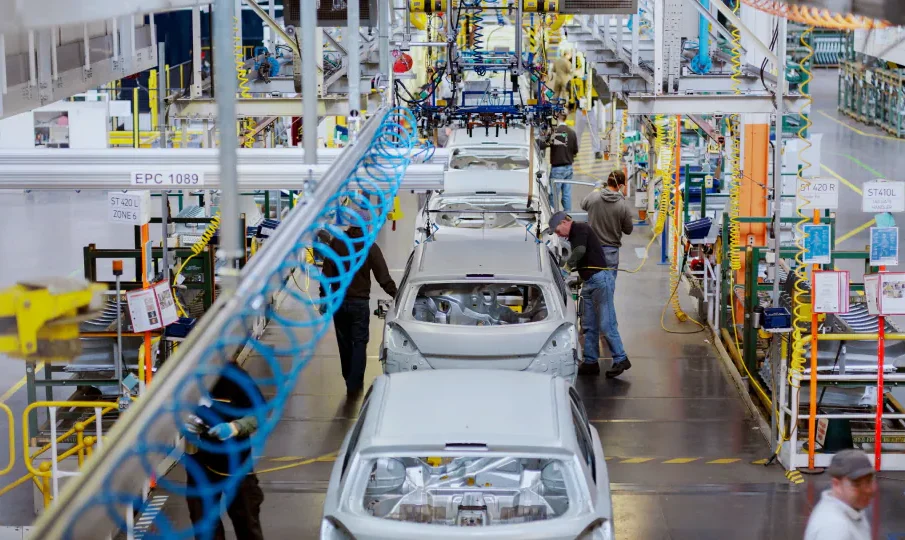
The term industry represents a cornerstone of modern economies, encompassing the production, distribution, and commercialization of goods and services. Industries drive innovation, employment, trade, and economic growth, shaping the way societies function and interact globally. Understanding industries requires an in-depth exploration of their types, structures, operational dynamics, market strategies, and challenges, along with their broader societal and environmental impacts.
Defining Industry
Industry can be broadly defined as a group of businesses or organizations engaged in the production of similar products or services. It represents a system where resources are organized to transform raw materials, labor, and technology into finished goods or services for consumption. Industries are categorized based on their primary activities, technological requirements, and market orientation.
Key characteristics of industry include:
- Specialized Production, where firms focus on specific goods or services.
- Resource Allocation, leveraging capital, labor, and technology efficiently.
- Market Dynamics, responding to consumer demand, competition, and global trends.
Classification of Industries
Primary Industry
Primary industries extract natural resources and form the base of economic activity. These include:
- Agriculture, producing food crops, livestock, and raw materials.
- Mining, extracting minerals, metals, and fossil fuels.
- Forestry and Fishing, providing timber, seafood, and related resources.
Primary industries supply essential raw materials to secondary industries for further processing, playing a foundational role in economic development.
Secondary Industry
Secondary industries transform raw materials into finished products through manufacturing and construction processes. Key sectors include:
- Manufacturing, producing electronics, automobiles, machinery, and consumer goods.
- Construction, creating infrastructure, residential and commercial buildings.
- Energy Production, including electricity generation, refining, and renewable energy systems.
Secondary industries enhance value addition, create employment opportunities, and drive technological innovation.
Tertiary Industry
Tertiary industries provide services that facilitate trade, consumption, and overall economic functioning. Examples include:
- Retail and Wholesale Trade, distributing goods to consumers and businesses.
- Financial Services, such as banking, insurance, and investment management.
- Healthcare, Education, and Hospitality, offering essential human-centered services.
Tertiary industries contribute significantly to GDP and urban development, reflecting the increasing importance of service economies.
Quaternary and Quinary Industries
Quaternary industries focus on knowledge-based services, including research, IT, and consultancy, while quinary industries involve high-level decision-making, policy formulation, and executive leadership in public and private sectors. These sectors are crucial for innovation, strategic planning, and economic diversification.
Structure and Organization within Industries
Value Chains
Industries operate through intricate value chains, connecting suppliers, manufacturers, distributors, and retailers to deliver products efficiently. Effective value chain management involves:
- Procurement, sourcing raw materials cost-effectively.
- Production, ensuring quality, efficiency, and scalability.
- Distribution, optimizing logistics, inventory, and delivery channels.
Strong value chains enhance competitiveness, reduce operational costs, and improve customer satisfaction.
Supply Chain Management
Supply chains integrate all stakeholders involved in production and delivery. Key considerations include:
- Global Sourcing, obtaining materials from diverse markets to optimize cost and quality.
- Inventory Management, balancing stock levels to prevent shortages or overstocking.
- Technology Integration, using ERP systems, IoT, and data analytics for real-time monitoring.
Robust supply chain strategies help industries withstand disruptions, adapt to market changes, and maintain profitability.
Industrial Clusters
Clusters are geographic concentrations of interconnected companies and institutions in a particular field. Benefits of clusters include:
- Innovation and Knowledge Sharing, facilitating collaboration and technological advancement.
- Specialized Workforce, creating a pool of skilled labor tailored to industry needs.
- Competitive Advantage, enhancing productivity and market influence.
Examples include Silicon Valley for technology and Detroit for automotive manufacturing.
Strategic Approaches in Industries
Innovation and Research
Innovation is essential for industries to maintain competitiveness. Strategies include:
- Research and Development (R&D), developing new products and improving processes.
- Product Diversification, offering new solutions to meet changing consumer demands.
- Technological Adoption, integrating AI, automation, and digital platforms.
Market Expansion
Industries pursue growth through geographic and demographic expansion. Approaches include:
- Entering Emerging Markets, capitalizing on new consumer bases.
- Export-Oriented Strategies, increasing international trade and revenue.
- Strategic Alliances and Partnerships, leveraging complementary capabilities.
Sustainability and Green Practices
Modern industries increasingly prioritize environmental responsibility, implementing strategies such as:
- Renewable Energy Adoption, reducing carbon footprints and energy costs.
- Circular Economy Models, promoting recycling, reuse, and waste reduction.
- Regulatory Compliance, ensuring adherence to environmental laws and standards.
Risk Management
Industries face operational, financial, and market risks. Effective risk management includes:
- Diversification of Products and Markets, reducing dependence on single sectors.
- Hedging and Insurance, mitigating financial exposure.
- Contingency Planning, preparing for disruptions in supply chains, technology, or geopolitical stability.
Human Capital in Industrial Success
Workforce Development
Industries rely on skilled labor to maintain production efficiency and drive innovation. Workforce strategies involve:
- Training Programs, enhancing technical expertise and adaptability.
- Talent Retention, offering competitive compensation and career growth.
- Diversity and Inclusion, promoting creativity, collaboration, and problem-solving.
Leadership and Management
Effective management ensures alignment between industrial operations and strategic objectives. Leadership styles that influence industry performance include:
- Transformational Leadership, inspiring innovation and proactive problem-solving.
- Transactional Leadership, maintaining operational discipline and goal achievement.
- Participative Leadership, encouraging employee involvement and stakeholder engagement.
Organizational Culture
A strong culture fosters efficiency, ethical behavior, and innovation. Core elements include:
- Shared Values, guiding decision-making and operational priorities.
- Collaboration, promoting teamwork across departments and supply chains.
- Continuous Improvement, emphasizing process optimization and quality assurance.
Economic and Global Impacts of Industries
Employment Generation
Industries create direct and indirect employment opportunities, supporting economic stability and community development. Skilled labor demand drives education and vocational training initiatives.
GDP Contribution
Industrial output contributes significantly to national GDP, reflecting productivity, innovation, and international trade performance. Advanced manufacturing and services industries often drive high-value economic activity.
Technological Advancement
Industries are primary drivers of technological progress, influencing innovation in automation, AI, biotechnology, and digital services. This fosters competitiveness and global leadership in specialized sectors.
Trade and Global Integration
Industrial production fuels exports, imports, and cross-border collaborations. Global industrial integration enhances efficiency, resource allocation, and access to international markets.
Challenges Facing Modern Industries
Technological Disruption
Rapid adoption of AI, automation, and digital technologies can disrupt traditional business models, requiring strategic adaptation and workforce reskilling.
Environmental Concerns
Industries must balance growth with sustainability, addressing emissions, resource depletion, and regulatory compliance.
Market Competition
Globalization intensifies competition, compelling industries to innovate continuously, improve quality, and optimize costs.
Regulatory and Political Risks
Industries face complex regulations, trade restrictions, and geopolitical uncertainties that can impact production, profitability, and expansion strategies.
Measuring Industrial Performance
Key Performance Indicators (KPIs)
Industries track metrics such as:
- Production Efficiency, measuring output against input resources.
- Revenue Growth and Profit Margins, assessing financial performance.
- Market Share, evaluating competitiveness and consumer preference.
- Sustainability Metrics, monitoring environmental impact and resource utilization.
Benchmarking
Benchmarking allows industries to compare performance against best-in-class competitors, facilitating process improvements and strategic refinement.
Innovation Indices
Industries assess R&D output, patent filings, and technology adoption rates to gauge innovation capacity and market adaptability.
Conclusion
Industries form the backbone of economic development, technological advancement, and social progress. Understanding the intricacies of industrial operations, value chains, workforce management, strategic initiatives, and global impacts provides insights into how modern economies function. Industries not only produce goods and services but also drive innovation, employment, and international trade, shaping societies and influencing global competitiveness.
Frequently Asked Questions
What differentiates primary, secondary, and tertiary industries?
Primary industries extract raw materials, secondary industries transform them into finished products, and tertiary industries provide services that support production, trade, and consumption.
Why is innovation critical for industrial competitiveness?
Innovation improves efficiency, reduces costs, develops new products, and positions industries to meet evolving market demands.
How do industries contribute to GDP and employment?
Industries generate output that forms part of national GDP while creating jobs directly in production and indirectly through supply chains and related services.
What role does human capital play in industrial growth?
A skilled, adaptable workforce drives productivity, technological adoption, and innovation, directly impacting industrial performance.
How can industries ensure sustainability?
By adopting green practices, renewable energy, circular economy models, and regulatory compliance, industries minimize environmental impact while sustaining growth.
What are the main risks faced by modern industries?
Technological disruption, environmental challenges, market competition, and geopolitical or regulatory uncertainties pose significant risks.
How is industrial performance measured beyond profits?
Industries use KPIs, benchmarking, innovation indices, and sustainability metrics to assess operational efficiency, market position, and environmental impact.
This detailed exploration of industry emphasizes its structural complexity, strategic importance, and vital role in shaping modern economies and societies.




-
How Group Fitness Timetables Can Serve Shift Workers Without Emptying Off-Peak Classes
Shift workers often find that gym timetables assume a conventional office day. ... -
-
-
-