
Why Professionals Need Slow Recovery Practices After High-Pressure Workweeks
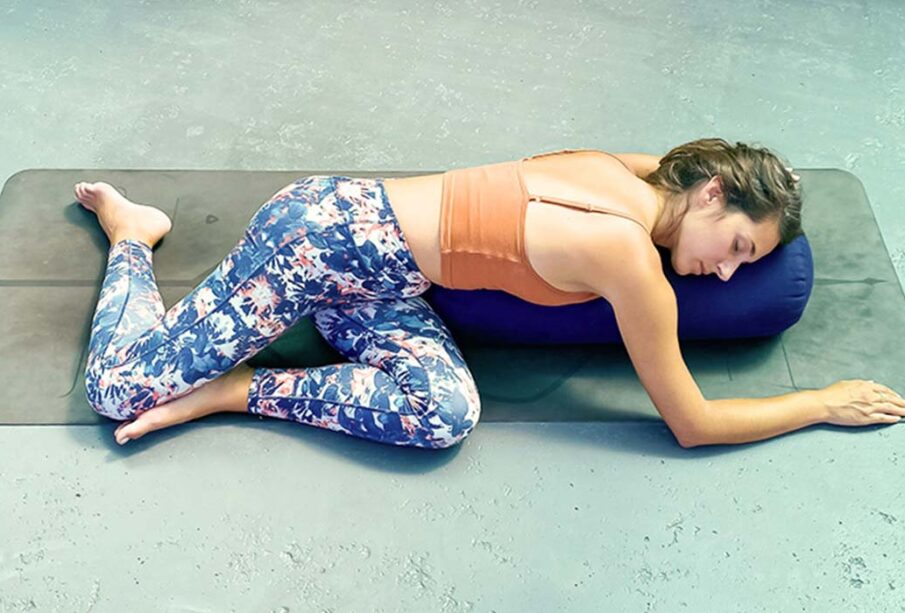
High-pressure workweeks can leave professionals mentally overloaded and physically tense. Meetings, deadlines, long sitting, client calls, travel, and constant digital communication all place demands on the body and mind. This is why yin yoga can be valuable for professionals who need a slower recovery practice rather than another performance-based workout.
Many professionals are used to pushing through fatigue. They answer one more email, take one more meeting, skip one more break, and delay rest until the body forces them to stop. Slow recovery practices help interrupt this pattern. Yin Yoga offers structured stillness, supported stretching, and breath awareness in a way that can help the body shift out of work mode.
Why Work Stress Becomes Physical
Professional stress does not remain in the inbox. It appears in the body. The shoulders lift during pressure. The neck tightens during laptop work. The jaw clenches during difficult conversations. The hips become stiff from sitting. The breath becomes shallow during concentration.
By the end of the week, many professionals feel physically heavy even if they did not do physical labor. This is because the body has been holding tension for days.
Yin Yoga gives the body time to release some of that accumulated tension.
Why Professionals Struggle With Rest
Many professionals find rest uncomfortable. They are used to doing, solving, planning, and responding. A slow class may feel strange because it does not reward speed or output.
That is exactly why it can help. Yin Yoga teaches professionals to stay with stillness without needing to produce anything. The practice becomes a counterbalance to work culture.
Instead of asking, “How much did I achieve?” the student learns to ask, “Can I breathe here? Can I soften here? Can I stop rushing?”
A Recovery Practice That Still Has Structure
Some professionals do not enjoy unstructured relaxation. They may find it hard to simply lie down or meditate. Yin Yoga gives rest a structure.
There are poses, time holds, breath cues, and teacher guidance. The body has something to do, but the effort is low and steady.
This makes Yin Yoga useful for people who need recovery but still prefer a guided format.
Desk Fatigue and Yin Yoga
Desk fatigue often affects the hips, lower back, shoulders, and neck. Yin Yoga can focus on these areas through longer-held postures that encourage release.
Hip openers can help counter sitting. Supported forward folds may calm the nervous system. Gentle twists can bring movement to the spine. Shoulder-focused poses may reduce upper-body tension.
The practice is not about fixing everything in one class. It is about creating regular space for the body to unwind.
Mental Recovery From Constant Communication
Work communication is now continuous. Messages, emails, calls, project updates, and notifications keep the mind alert. Even after work, many professionals keep checking devices.
Yin Yoga creates a screen-free recovery window. The student is not multitasking. They are not consuming information. They are present with posture, breath, and sensation.
This reduction in input can be deeply valuable after a communication-heavy week.
Why Slow Practice Can Improve Monday Energy
A weekend that includes only passive rest may not fully prepare the body for another workweek. Scrolling, sleeping late, and sitting more can leave the body stiff.
A slow recovery practice can support a better reset. It gives the body movement without intensity and gives the mind quiet without complete inactivity.
Professionals may find that a Yin Yoga class helps them start the week with less physical tension and more mental space.
Avoiding the Performance Mindset
Professionals often bring their achievement mindset into wellness. They may try to be the best in class, stretch the deepest, or avoid using props. In Yin Yoga, this mindset is not helpful.
The practice rewards honesty. If the body needs support, use support. If the pose is too intense, reduce it. If stillness feels hard, breathe through it without judgment.
This teaches a healthier type of discipline, one based on self-awareness rather than force.
Corporate Wellness Potential
Yin Yoga can also fit corporate wellness programs because it addresses stress and recovery directly. It may be especially useful for teams that sit long hours, work under pressure, or experience burnout.
Unlike high-intensity group activities, Yin Yoga can feel more inclusive for different fitness levels. It should still be optional, because not everyone is comfortable with slow stillness at first.
A good workplace wellness program should offer choices, not pressure.
How Professionals Can Add Yin Yoga to Their Week
A practical approach is to schedule Yin Yoga at the end of the workweek, on a rest day, or in the evening after a demanding day. It can also complement stronger workouts by supporting recovery.
The class should not be treated as wasted time. It is body maintenance and nervous system care.
For busy professionals in Singapore who need a slower practice after demanding work, Yoga Edition can support a recovery-focused routine that helps balance productivity with real rest.
FAQs
Can Yin Yoga help after a week of back-to-back meetings?
Yes, especially if your body feels tight from sitting and mental overload. Choose a class where you can move slowly and avoid rushing to another task immediately afterward.
What if I feel impatient during long holds?
That impatience is part of the practice. Instead of fighting it, notice where it appears in the body. Use breath and props to make the pose manageable.
Should companies offer Yin Yoga during office hours or after work?
Both can work. During office hours, it may act as a stress reset. After work, it may help employees transition out of work mode. The best timing depends on employee schedules and participation comfort.



-
How Group Fitness Timetables Can Serve Shift Workers Without Emptying Off-Peak Classes
Shift workers often find that gym timetables assume a conventional office day. ... -
-
-
-


