
Understanding the Economy: Dynamics, Structure, and Global Implications
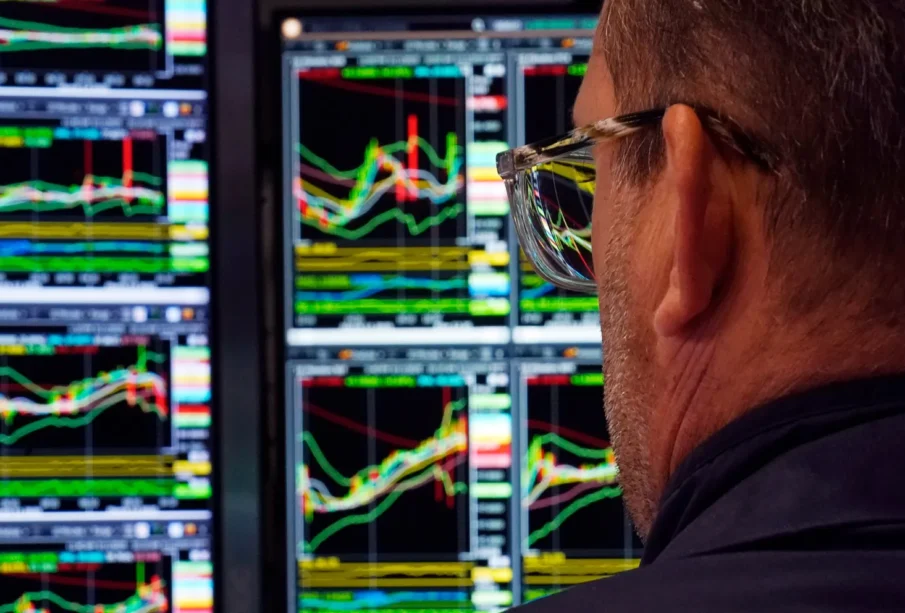
The term economy encompasses the intricate system through which goods and services are produced, distributed, and consumed within a society. It is a living framework, constantly evolving in response to shifts in policy, technology, consumer behavior, and global events. Understanding the economy is essential for individuals, businesses, policymakers, and investors alike, as it directly impacts employment, wealth distribution, financial stability, and societal well-being.
Defining the Economy
An economy can be defined as the sum total of all economic activity within a country or region. It involves the management of resources including labor, capital, land, and technology to meet the needs and wants of people. Economists study economies to understand patterns of production, consumption, and trade, aiming to forecast trends and inform decision-making.
Key Characteristics of an Economy
- Resource Allocation: Economies determine how scarce resources are distributed to satisfy unlimited wants.
- Production and Consumption: It focuses on creating goods and services and distributing them to meet demand.
- Market Interactions: The exchange of goods and services occurs through markets, influenced by supply, demand, and price mechanisms.
- Regulatory Framework: Legal, political, and institutional structures guide economic activities, ensuring stability and fairness.
Types of Economies
Economies can be categorized based on how resources are allocated and how decisions regarding production and distribution are made.
Traditional Economy
Traditional economies rely on customs, rituals, and community practices to make economic decisions. These are often found in rural or indigenous communities, where production and consumption patterns are inherited across generations.
Command Economy
In command economies, the government or central authority dictates resource allocation, production targets, and pricing. This system emphasizes control and uniformity, often aiming to achieve social objectives like equity and stability.
Market Economy
Market economies operate based on supply and demand, with minimal government intervention. Prices are determined by competition, and businesses have the freedom to innovate, set prices, and allocate resources efficiently.
Mixed Economy
Most modern economies are mixed, blending market mechanisms with government regulation. This approach balances efficiency with social welfare, combining private enterprise with public oversight.
Components of the Economy
Understanding the structure of an economy involves examining its fundamental components, each contributing to overall growth and stability.
Production
Production involves converting raw materials and labor into goods and services. Industries such as manufacturing, agriculture, technology, and services are central to economic output. Productivity improvements often drive growth by enabling more output with fewer resources.
Consumption
Consumption represents the demand side of the economy, reflecting the choices and preferences of individuals, households, and businesses. Consumer spending accounts for a significant portion of GDP in most developed nations.
Investment
Investment fuels economic expansion by providing capital for infrastructure, technology, and business development. Both private and public investments play critical roles in sustaining long-term growth.
Government Spending
Government expenditure on healthcare, education, defense, and infrastructure stimulates demand and ensures essential services. Fiscal policy decisions influence economic activity through taxation and spending initiatives.
Trade
International trade allows countries to specialize in production, achieve efficiency, and access a broader range of goods. Imports and exports shape economic relations and influence domestic employment and consumption patterns.
Economic Indicators
Monitoring the health of an economy requires analyzing key indicators that reflect performance, stability, and potential risks.
Gross Domestic Product (GDP)
GDP measures the total value of goods and services produced within a country over a specific period. It is a primary indicator of economic size and growth, reflecting overall productivity and living standards.
Unemployment Rate
The unemployment rate indicates the proportion of the labor force without employment. High unemployment can signal economic distress, while low rates often reflect strong economic activity.
Inflation Rate
Inflation measures the rise in general price levels over time. Moderate inflation is normal in growing economies, but excessive inflation erodes purchasing power and can destabilize markets.
Balance of Trade
The balance of trade compares exports and imports. A trade surplus occurs when exports exceed imports, while a deficit arises when imports surpass exports. This metric affects currency stability and international economic relations.
Consumer Confidence Index
Consumer confidence gauges public optimism about economic conditions. High confidence typically leads to increased spending and investment, fueling growth, while low confidence can dampen economic activity.
Factors Influencing Economic Performance
The economy’s performance is shaped by a combination of domestic and global forces.
Monetary Policy
Central banks influence the economy by adjusting interest rates, controlling money supply, and regulating credit availability. Monetary policy aims to maintain price stability, encourage growth, and mitigate financial crises.
Fiscal Policy
Government taxation and spending policies directly impact economic activity. Strategic fiscal interventions can stimulate growth during recessions or control inflation during periods of overheating.
Technological Advancements
Innovation drives efficiency, productivity, and competitiveness. Automation, artificial intelligence, and digital platforms transform industries and create new markets, fundamentally reshaping the economy.
Globalization
Global trade, capital flows, and interconnected supply chains link economies worldwide. While globalization enhances efficiency and opportunity, it also exposes nations to external shocks, trade imbalances, and competitive pressures.
Demographics
Population growth, aging, urbanization, and workforce participation influence labor supply, consumption patterns, and long-term economic sustainability.
Natural Resources and Environment
Access to natural resources such as energy, minerals, and water affects production capacity and economic resilience. Environmental policies and climate change considerations increasingly shape economic strategies.
Challenges Facing Modern Economies
Contemporary economies encounter several complex challenges that require adaptive strategies and policy innovation.
Income Inequality
Disparities in wealth and income distribution can lead to social tension, reduced economic mobility, and diminished consumer demand. Addressing inequality requires taxation reforms, social programs, and inclusive growth initiatives.
Economic Cycles
Economies naturally fluctuate through periods of expansion and contraction. Recessions can result in job losses and reduced spending, while booms may generate inflationary pressures.
Financial Crises
Banking failures, currency devaluation, or stock market collapses can trigger economic instability. Effective regulation, risk management, and international cooperation are vital for crisis mitigation.
Technological Disruption
Rapid technological change can render traditional industries obsolete, displacing workers and requiring retraining programs to maintain employment levels.
Environmental Sustainability
Balancing economic growth with environmental protection is a critical challenge. Economies must adopt green technologies, sustainable practices, and renewable energy sources to mitigate climate impact.
Emerging Trends in the Global Economy
Digital Economy
Digital platforms, e-commerce, fintech, and remote work have expanded the scope and speed of economic transactions. The digital economy increases efficiency, enables global reach, and transforms traditional business models.
Green Economy
Sustainable practices and clean technologies are increasingly driving investment. Economies focusing on renewable energy, carbon reduction, and circular models are gaining competitive advantage and societal approval.
Knowledge-Based Economy
Innovation, research, and intellectual property are central to economic growth in advanced nations. Knowledge-intensive industries contribute higher value and encourage continuous learning and skill development.
Gig Economy
Flexible employment arrangements, freelance work, and contract-based services offer economic adaptability but also raise questions regarding labor rights, benefits, and social security.
Global Economic Cooperation
International organizations, trade agreements, and multilateral initiatives facilitate economic stability, cross-border investment, and conflict resolution, shaping a more integrated global marketplace.
Conclusion
The economy is a complex, interconnected system that influences nearly every aspect of daily life. From production and consumption to investment, trade, and policy decisions, understanding the economy provides insights into growth potential, risk management, and societal development. Modern economies must navigate technological disruption, globalization, environmental sustainability, and inequality to foster resilient, inclusive, and innovative growth. By analyzing the structure, components, and influencing factors of economies, individuals, businesses, and governments can make informed decisions that drive prosperity and long-term stability.
Frequently Asked Questions (FAQ)
What is the difference between GDP and GNP?
GDP measures the total value of goods and services produced within a country, while GNP includes the total value produced by a country’s residents, regardless of whether production occurs domestically or abroad.
How does inflation affect consumers?
Inflation reduces purchasing power by increasing the cost of goods and services. Consumers may need to adjust spending habits, and fixed-income individuals are particularly vulnerable to rapid price increases.
Why is fiscal policy important for economic stability?
Fiscal policy allows governments to influence aggregate demand through taxation and spending. It can stimulate growth during recessions or control inflation during periods of overheating.
How does globalization impact national economies?
Globalization facilitates trade, investment, and knowledge exchange, enhancing efficiency and market access. However, it also exposes economies to external shocks and competitive pressures from global markets.
What role do technological innovations play in economic growth?
Technological innovations increase productivity, reduce costs, create new industries, and enhance global competitiveness, driving long-term economic expansion.
How do demographics influence economic performance?
Population size, age distribution, and workforce participation affect labor supply, consumer demand, and social spending requirements, shaping both short-term and long-term economic strategies.
What are the main challenges for sustainable economic growth?
Challenges include environmental constraints, income inequality, technological disruption, and maintaining financial stability. Addressing these issues requires strategic policy, investment in green technologies, and social inclusivity.
Why is the digital economy considered transformative?
The digital economy expands market reach, improves transaction efficiency, enables innovation, and facilitates flexible employment. It reshapes traditional industries and accelerates global connectivity.



-
How Group Fitness Timetables Can Serve Shift Workers Without Emptying Off-Peak Classes
Shift workers often find that gym timetables assume a conventional office day. ... -
-
-
-